


Fraud follows a pattern.
So does protection.

Whether it’s a phishing email, a fake call or a manipulated QR code — almost every scam has the same goal: making you trust a stranger more than your own device. These rules break exactly that trick.

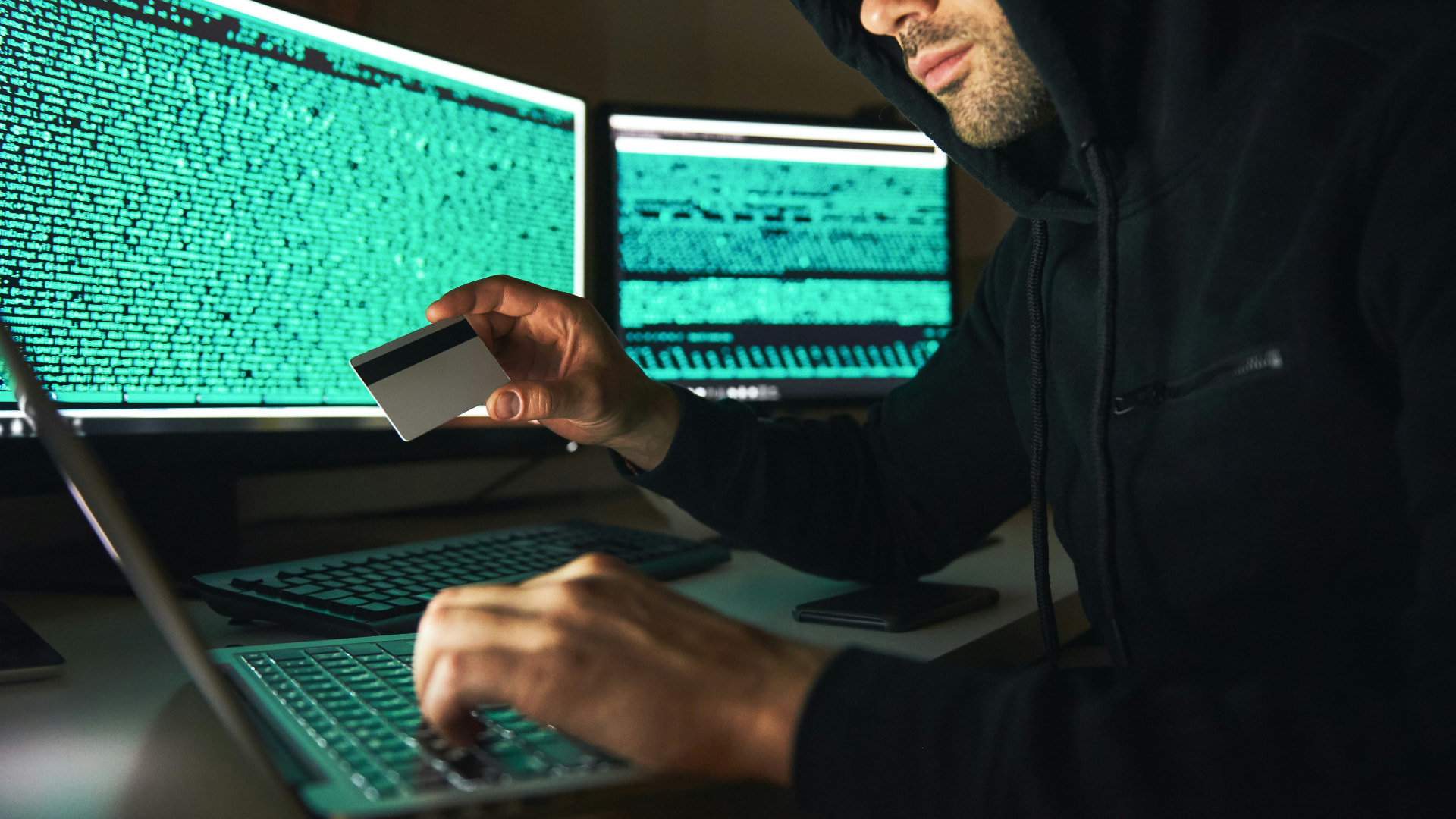
Hooded scammer using stolen card data on a laptop

The one rule that beats all others

No one who genuinely works for kingpay or your bank needs to ask you for a code on the phone, ask you to confirm a login “just to be safe”, or demand money to a “secure” account. If a call, text or chat pushes you in that direction, the request is fake — no matter how convincing or urgent it sounds. Only ever check a request on your own device, in the official app — never on someone’s say-so.

Hooded silhouette in front of green-blue data streams

Getting messages & calls right

Scammers pose as kingpay, your bank, an authority or a well-known company — usually with artificial time pressure.

Warning sign

Time pressure is the alarm bell

“Your account will be blocked in 10 minutes” or “act now” — these phrases are designed to stop you thinking calmly.

A genuine matter survives a short pause to check. If someone won’t give you that time, they usually have something to hide.

Never let yourself be pushed into instant action.

Confidential data

Codes and passwords stay with you

No one from kingpay will ever ask you for passwords, TANs or security codes by phone, SMS or chat.

Even if the caller knows your name, account details or past payments — that alone doesn’t make the call genuine. This data is often circulating after data leaks.

kingpay never asks for your password, TAN or security code.

Links & QR codes

Type links yourself instead of clicking

Open kingpay only via the official app or by typing the address yourself into the browser — never via a link someone sent you.

The same goes for QR codes (quishing): a scanned code can lead to a fake page that looks deceptively real. Identity verification also runs exclusively in the app via Veriff — never via an external link.

Type the address yourself — never open a link that was sent to you.

Sender

Check the sender carefully

Displayed names, phone numbers and sender addresses can be faked. A familiar name on your screen is no proof of authenticity.

If in doubt, end the call and contact support yourself via the official channels on this website.

When in doubt, hang up and contact support yourself.

Protecting device & access

Most successful fraud cases don’t start with hacked software, but with someone voluntarily handing over control.

Networked security icons with a lock and a shield
  1. 01
    Remote access

    Screen sharing hands over control

    Remote support tools and screen sharing are the most common way for scammers to watch live and control your device while you log in.

    kingpay will never ask you to install remote access software or share your screen. If a session is already running with someone you don’t fully trust, end it immediately and hang up.
  2. 02
    Official apps

    Official stores only, no extra apps

    The kingpay app is only available in Apple’s and Google’s official stores. There is no separate security or verification app.

    If you’re asked to change developer options, accessibility settings or security settings on your device, that’s a clear warning sign — genuine providers never ask for this.

  3. 03
    Device protection

    Install updates promptly

    Keep your operating system and apps up to date and install security updates as soon as possible.

    Also protect your smartphone with a PIN, fingerprint or face recognition, and use a unique, strong password for every account.

  4. 04
    Confirmations

    Changes get extra protection

    If you change your phone number or email address, you confirm it with a code (OTP) sent to the new number or address. Other changes can trigger an additional security check.

    These confirmations only ever happen inside the kingpay app. If you’re asked by phone or chat to pass one of these codes to someone else, it’s not a legitimate process.

Digital wallets & cards

kingpay currently offers no feature to add a card directly from the app to Apple Pay or Google Pay – which makes certain scam attempts especially easy to spot.

Apple Pay & Google Pay: not yet in the app

kingpay currently offers no feature to add a card directly from the app to Apple Pay or Google Pay.

If you’re guided through such a process or asked for help with it, that’s a clear sign of a scam attempt – stop immediately.

Only confirm what you started yourself

If you receive a confirmation code or login request related to your card without having tried to add anything yourself – decline it.

Never share confirmation or security codes with anyone else, not even on the phone. Check notifications about newly added cards or devices and remove unknown entries immediately.

Common scams at a glance

The story keeps changing, but the mechanism behind it barely does. These are the most common forms.

Fake email or website

Aims to steal your login details, usually via a link that leads to a deceptively real login page.

SMS scam

A text claiming an urgent matter with a link — often disguised as a delivery service or payment provider.

The call from “support”

A caller claims to work for kingpay or your bank and asks for codes or a login confirmation.

The manipulated QR code

A scanned QR code doesn’t lead to the real payment page but to a fake copy.

Guaranteed returns with “no risk”

High, supposedly safe profits are the most reliable warning sign of a fraudulent offer.

Trust built up over weeks

After slowly building trust, a made-up emergency follows that can only be solved with your money.

Misused card data

Stolen card data is added to someone else’s wallet without your consent — see the “Digital wallets & cards” chapter.

Emotional pretext for donations

A made-up charitable cause is meant to push you into a quick, thoughtless donation. Only donate via platforms you chose yourself.

Payment outside the platform

Buyers or sellers are lured to a fake payment page or pushed out of the protected checkout. Stay within the platform’s payment flow.

kingpay will never ask you to:

If someone asks you to do any of these things, don’t act on it and contact us if you’re unsure.

  • tell a password, TAN or security code by phone, email or chat
  • transfer money to a new, “safe” or “verification” account
  • install an additional app to secure your account
  • disable a security check, OTP delivery or other security settings
  • confirm a login or payment you didn’t trigger yourself
  • install remote-support or screen-sharing software
Laptop with a floating padlock symbolising secure login

Suspect fraud?

Freeze your card immediately in the kingpay app and contact us. Our support team will help you document the incident and take the next steps.